

Author: Anna Pluta
Association between heavy episodic drinking and medication use among Latvian population
New SSE Riga/BICEPS research paper by Mārtiņš Zvackis (Riga Stradins University).
Abstract
Heavy episodic drinking (HED) is recognised as a significant and increasing global public health issue. According to WHO estimates, one-fifth of the European population has experienced at least one episode of HED in the past 30 days. Previous studies have demonstrated an association between HED and increased odds of using analgesics, sedatives, and antidepressants.
This study aimed to investigate the association between HED and medication use among Latvian residents aged 15 to 74 years.
Methodology. This cross-sectional study used the 2022 survey database from the Latvian Health Behaviour Study, analysing data from 2,835 residents aged 15 to 74 years. HED was defined according to the WHO criteria as consuming 60 grams or more of pure alcohol on a single occasion in the past 30 days. Dependent variables included medication use for headaches, other pain, sedatives, and antidepressants in the past seven days. Univariable and multivariable logistic regression models were employed to examine the association between HED and medication use, including interaction with gender.
Results. 35.1% of men and 9.5% of women engaged in HED. While overall odds of medication use did not differ significantly between HED groups, gender-stratified analyses revealed that women who engaged in HED were twice as likely to use medication for headaches and sedatives, and 1.5 times more likely to use medication for other pain, regardless of age. No significant differences were observed in antidepressant use among women across HED groups.
Conclusions. The odds of using the studied medications, excluding antidepressants, were higher among women with HED patterns. This association was not observed among men. Further research is necessary to elucidate this complex association, as it remains largely unexplored.
Key words: heavy episodic drinking, binge drinking, analgesics, sedatives, antidepressants,
Pētījums par ārvalstu studentu un absolventu pieredzi Latvijā


Veikts apjomīgs pētījums par ārvalstu studentu un absolventu dzīves un studiju pieredzi Latvijā. Pētījums identificē galvenos faktorus, kas ietekmē viņu lēmumu pēc studijām palikt Latvijā vai doties uz citu valsti.
Rezultāti sniedz konkrētus ieteikumus augstskolām, darba devējiem un politikas veidotājiem, lai veicinātu starptautisko studentu integrāciju un ilgtermiņa noturēšanu Latvijā.
Šis projekts tiek īstenots sadarbībā ar biedrību “Ar pasaules pieredzi Latvijā” (APPLV), kas īsteno projektu “Ārvalstu studentu noturēšana Latvijā” (līguma Nr. 2025.LV/NVOF/MAC/123) ar Sabiedrības integrācijas fonda (SIF) atbalstu, Sabiedrības integrācijas fonda finansētā projekta ietvaros.
Projekta komanda: Zane Vārpiņa un Marija Krūmiņa.
Zemāk pieejami:
- Pilnais pētījuma ziņojums
- Kopsavilkums
- Kvantitatīvās aptaujas datu kopa par trešo valstu studentiem un absolventiem Latvijā
- Starpposma prezentācija
- Gala prezentācija
July 2025: BICEPS is strengthening its critical approach to agroecology, modern technologies, and international collaboration
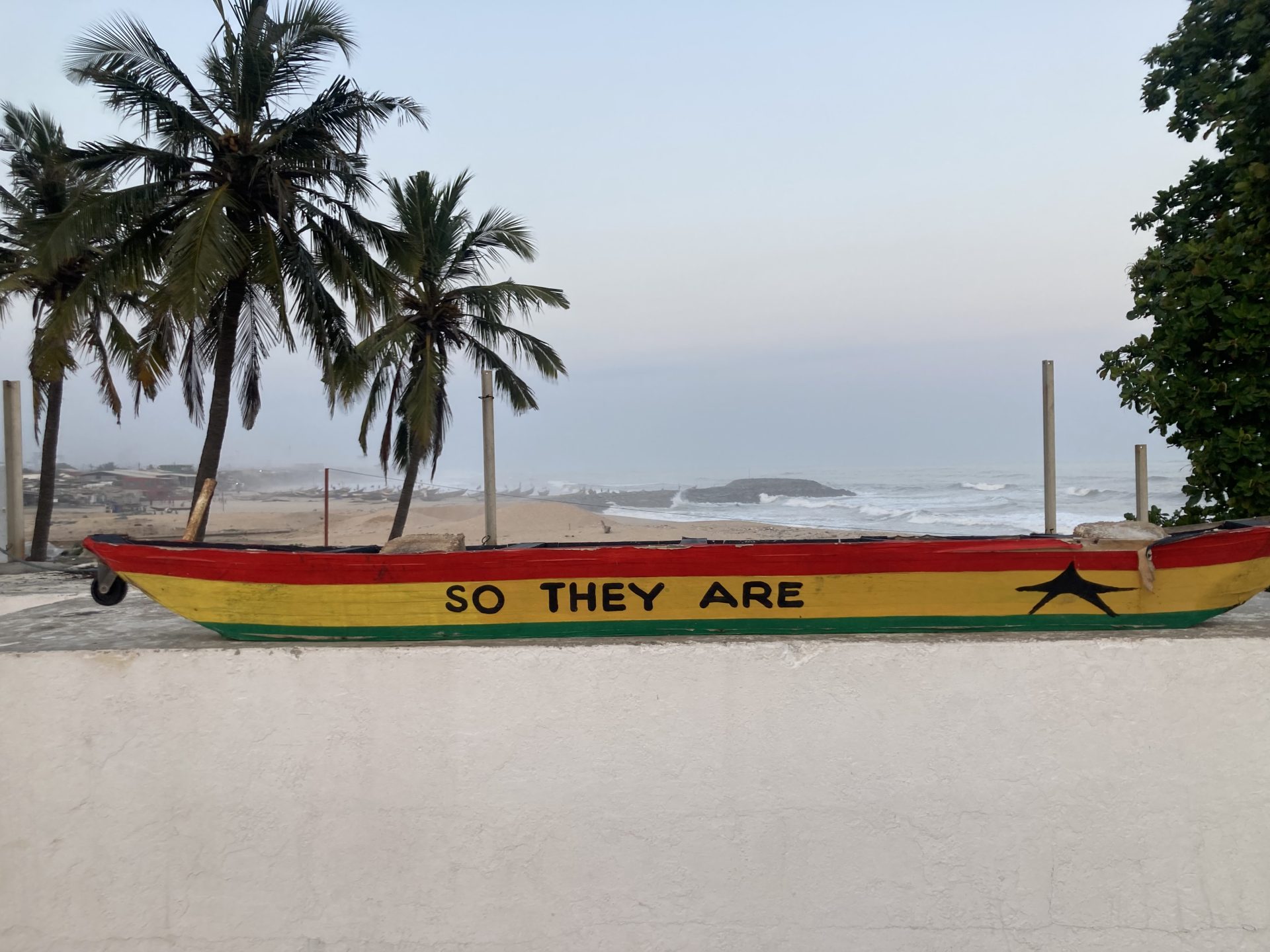
This July, BICEPS engaged in two key activities that deepened its international partnerships and advanced dialogue on sustainable agricultural development.
From 7–11 July, BICEPS took part in the 30th European Society for Rural Sociology (ESRS) Congress, held in Riga, Latvia. As part of “Indigenous Crops for the Resilience of African Food Systems” project, which is funded by the Latvian Development Cooperation Policy (LATDEV), Maija Kāle, a Research Fellow at BICEPS, presented research titled “From Rural Reachability to Meaningful Connectivity: Foundations for Liveable Farming Futures”. Drawing on insights from the project, which focuses on indigenous crops and digital education in sub-Saharan Africa, the presentation examined how mobile technologies can support, and indeed hinder, the sharing of agroecological knowledge, particularly in contexts shaped by climate vulnerability and systemic inequalities. The congress brought together a vibrant community of scholars and practitioners, and BICEPS was proud to contribute to this important European platform for rural research worldwide.
Later in the month, a BICEPS delegation travelled to Ghana to further strengthen collaboration with project partners on the ground. The itinerary revealed the depth of this engagement:
- A meeting with the Ministry of Food and Agriculture, Seed and Adaptive Research Unit;
- A visit to the Council for Scientific and Industrial Research (CSIR) for discussions with the Director General.
The delegation also carried out extensive field visits at the University of Ghana, focusing on its agricultural programmes and research facilities. This included:
- A guided tour of the Livestock and Poultry Research Centre (LIPREC) guided by the Lead of the Centre;
- Discussions with the West Africa Centre for Crop Improvement representatives
- A meeting with the Dean of the Department of Modern Languages
Latvian representatives also made visits to various communal gardens in Accra, organized by Sabon Sake — an eco-focused startup converting organic farm waste into bio-fertilizer.
These visits provided a valuable opportunity to discuss the future direction of the ICRAFS project, particularly the focus of its second phase on region-specific agricultural practices and the health benefits of indigenous crops. The visits also reaffirmed BICEPS’ commitment to establishing long-term, meaningful partnerships that bridge the gap between research, policy and practice across continents.
See more information about the visit here: link will be posted soon
See the video documentation here: link will be posted soon
BICEPS Participates in the Nordic-Baltic Food Systems Conference: Bridging Knowledge Between Latvia and Ghana for Sustainable Agriculture

Conference: Challenging Intersections – Securing Sustainable Food Systems in Turbulent Times (26–28 May 2025)
The Baltic International Centre for Economic Policy Studies (BICEPS) is participating in the first Nordic-Baltic Food Systems Conference and Policy Forum, a key regional event addressing the complex challenges of building resilient and sustainable food systems in a rapidly changing global context. BICEPS is represented by research fellow Maija Kāle, who is presenting work from two distinct but interconnected research initiatives focused on sustainability and innovation in food systems.
Promoting Seed Sovereignty Through Knowledge Transfer: Latvia–Ghana Collaboration
A central focus of BICEPS’ contribution is the research conducted under the international development cooperation project “Building Digital Education of Indigenous/Heritage Crops for the Resilience of African Food Systems in the Climate Crisis” (ICRAFS). This project is supported by the Development Cooperation Budget of the Ministry of Foreign Affairs of the Republic of Latvia for 2024–2025 (LATDEV).
In this research, Maija Kāle presents findings from a Latvian-Ghanaian collaboration aimed at transferring Latvia’s community-based seed-saving experience to support sustainable agriculture in Northern Ghana. The project highlights how Indigenous Local Knowledge (ILK)—particularly traditional seed-saving practices—can offer solutions to some of the most pressing challenges facing smallholder farmers in Ghana, such as soil degradation, biodiversity loss, and climate vulnerability.
The Latvian model, centered on “living seed labs” and a community-driven “seed savers movement,” emphasizes not only preserving heirloom seeds but also empowering communities to actively cultivate and adapt them to local environmental conditions. In Latvia, this approach is reinforced by the use of digital tools such as story maps and video lectures that preserve oral traditions and make knowledge accessible across generations. For more information: See Latvia’s story map and educational material for mentors and trainers about Latvia’s experience
In Ghana, these practices are being adapted to the local context using mobile-based education platforms. Through collaboration with the Ghanaian social enterprise Farmerline, the project delivered short audio messages on sustainable farming practices to over 10,000 farmers. These messages addressed topics such as seed selection, soil fertility, and regenerative agriculture. Field research conducted by the Council for Scientific and Industrial Research – Savanna Agricultural Research Institute (CSIR–SARI) supported the development of this initiative by gathering data from 74 farmers—most of whom were women—across three northern regions of Ghana.
The research underscores the importance of participatory knowledge-sharing methods, the value of oral transmission and mentorship, and the potential for digital education to preserve and revitalize indigenous agricultural practices. It also identifies challenges such as declining interest among younger generations and the lack of formal systems for documenting traditional knowledge—issues the project directly seeks to address.
By combining Latvia’s experience in seed conservation with Ghana’s local knowledge systems and mobile technology use, the project contributes to more inclusive and climate-resilient food systems. Read full extended abstract here.
Urban Agriculture and Resilience in the Nordic-Baltic Context
In addition to representing the ICRAFS project, Maija Kāle is also part of the research team presenting the study “Urban agriculture for a resilient future: identifying weak signals in Nordic-Baltic food systems.” This research explores emerging practices and innovations in urban food production that could serve as indicators of systemic transformation. The project identifies weak signals that may inform policy and strategic action toward more sustainable and adaptive urban food systems across the Nordic and Baltic regions. Maija Kāle’s participation in the conference is funded by the Nordic Council of Ministers’ Office in Latvia, which supports regional cooperation and knowledge exchange on sustainable development, green transition, and social inclusion. See more here.

LATDEV Project Continues to Progress in 2025
In 2025, the LATDEV project “Building Digital Education on Indigenous/Heritage Crops for the Resilience of African Food Systems in the Context of the Climate Crisis” continues to make significant strides in enhancing Ghanaian agriculture through digital education on indigenous crops. The focus has now shifted to the development of Module 2, which will provide tailored content on traditional crops and sustainable farming practices in Ghana’s northern regions.
Building on feedback from the first module, this new educational material will be recorded in local languages, ensuring accessibility for farmers with limited formal education.
In collaboration with local partners, including Farmerline, the project is also hosting workshops across various regions to distribute indigenous seeds to farmers. These workshops not only provide practical instructions on cultivation and storage but also gather valuable insights into traditional farming practices, which will be documented for future project development.
LATDEV’s work aligns with the United Nations Sustainable Development Goals, particularly focusing on food security and climate resilience. By continuing collaboration with Farmerline and the Savannah Agricultural Institute, the project is successfully adapting agricultural best practices from Latvia to Ghana’s unique farming context.
For more on the project’s progress, watch the video created by our project partners:
Fundamentālo un lietišķo pētījumu projekts “StAR: Darba tirgus reakcija uz satricinājumiem: Pielāgošanās un noturības stratēģijas (StAR)” (2025.-2027.)

Sākums: 01.01.2025 Noslēgums: 31.12.2027
- Projekta numurs
- lzp-2024/1-0616
- Finansējums
- 300 000 EUR
- Projekta vadītājs
- Ija Trapezņikova
Kopsavilkums:
Covid-19 krīze kārtējo reizi pierādīja, ka visā pasaulē uzņēmumu un indivīdu spēja pielāgoties strauji mainīgai videi ir kritiski svarīga. Projekta mērķis ir izvērtēt Eiropas, it īpaši Latvijas, darba tirgus pielāgošanās spēju, un noskaidrot, kādi valsts politikas instrumenti būtu nepieciešami, lai mazinātu nākotnes satricinājumu ietekmi (1) veiksim visas Eiropas darba tirgus datu analīzi, lai noskaidrotu, kā tirgus ir reaģējis uz tādiem satricinājumiem kā 2008. gada finanšu krīze, Covid-19 pandēmija un energoresursu cenu krīze. Eiropas valstu atšķirīgās pieejas darba tirgus politikai ļaus izvērtēt dažādu pielāgošanās mehānismu relatīvo efektivitāti. (2) noskaidrosim faktorus, kas ietekmē dzimumu atšķirības darba samaksā. Novērtēsim katra faktora ietekmi gan pirms, gan pēc Covid-19 pandēmijas. Izmantojot detalizētus administratīvos darba tirgus datus, Latvijas gadījumā šos jautājumus izpētīsim dziļāk. Analīzē novērtēsim darba zaudēšanas ilgtermiņa ietekmi uz indivīdu ienākumiem un noskaidrosim, kādi darbinieki vieglāk/ grūtāk atgūstas no darba zaudējuma un kādi darbinieki pēc darba zaudēšanas biežāk pievēršas uzņēmējdarbībai. Analizēsim, kādā mērā vīriešu un sieviešu atalgojuma atšķirības Latvijā nosaka tādi faktori kā uzņēmumu piekoptā politika, darba ņēmēju mobilitāte darba tirgū un karjeras apsvērumi. Rezultāti palīdzēs veidot pierādījumos balstītu valsts politiku, vērstu uz nākotnes ekonomisko satricinājumu negatīvās ietekmes mazināšanu un dzimumu vienlīdzības veicināšanu
Projektu konkurss:
Fundamentālo un lietišķo pētījumu projektu 2024. gada atklātais konkurss.
Fundamentālo un lietišķo pētījumu projekts “Veselības pratības pētījums Latvijā: līmeņi, slogi un intervences” (2025-2027)
Sākums: 01.01.2025 Noslēgums: 31.12.2027
- Projekta numurs
- lzp-2024/1-0543
- Finansējums
- 300 000 EUR
- Projekta vadītājs
- Agnes Lubloy
Kopsavilkums:
Latvija saskaras ar nopietnu sabiedrības veselības krīzi, par ko liecina zemākais paredzamais un veselīgas dzīves ilgums ES un augstākais novēršamās mirstības rādītājs CAE. Viens no potenciāli nozīmīgiem faktoriem ir veselības pratība, kas ietekmē indivīdu spēju iegūt, saprast un efektīvi izmantot informāciju par veselību. Pētījumi rāda, ka veselības pratības līmenis Latvijā ir ievērojami zemāks nekā citās ES valstīs, tomēr situācija nav pietiekami detalizēti izpētīta. Pētījuma mērķis ir radīt gan akadēmiski augstvērtīgas zināšanas, gan arī sniegt ieguldījumu sabiedrības veselības politikas veidošanā novērtējot situāciju Latvijā, aprēķinot zemā veselības pratības līmeņa slogu un identificējot rentablus pasākumus šo prasmju uzlabošanai. Projektam izvirzīti četri galvenie uzdevumi: Veikt rūpīgu veselības pratības situācijas analīzi dažādās demogrāfiskajās un sociālekonomiskajās grupās; Novērtēt efektivitātes izmaksas, kas saistītas ar zemu veselības pratību: tiks veikti veselības resursu izmantošanas un veselības aprūpes izmaksu aprēķini personām ar dažādu veselības pratības līmeni un vērtēts, vai augstāka veselības aprūpes resursu izmantošana ir saistīta ar zemāku veselības pratību; Novērtēt ietekmi uz vienlīdzību: pētot veselības pratības kā starpnieka lomu Latvijā, mēs meklēsim saikni starp veselības pratību un augstāku vienlīdzību veselības jomā; kā arī Identificēt Latvijas kontekstam atbilstošus intervences pasākumus un novērtēt to sagaidāmo atdevi.
Projektu konkurss:
Fundamentālo un lietišķo pētījumu projektu 2024. gada atklātais konkurss.
Fundamentālo un lietišķo pētījumu projekts “Visaptverošs pētījums par uzņēmumu īpašumtiesību un pēctecības attīstību Latvijā pēdējo 30-gadu laikā” (2025-2027)
Sākums: 01.01.2025 Noslēgums: 31.12.2027
- Projekta numurs
- lzp-2024/1-0551
- Finansējums
- 300 000 EUR
- Projekta vadītājs
- Anete Pajuste
Kopsavilkums:
Šī pētījuma mērķis ir sniegt detalizētu pārskatu par uzņēmumu īpašumtiesību attīstību Latvijā trīs gadu desmitu laikā (1991-2023), pētot faktorus, kas ietekmē uzņēmuma darbību un izdzīvošanu. Tas ietver visaptverošas datu kopas izveidi ar vairāk nekā 150 000 uzņēmumiem, kas palīdzēs analizēt pārejas un izaicinājumus, ar kuriem saskaras pirmās paaudzes uzņēmēji tirgus ekonomikā, kas tika uzsākta pēc 1991. gada neatkarības. Jaunākie dati no 400 ģimenes uzņēmumiem parāda, ka 80% joprojām pārvalda dibinātāji, kas liecina par noturību un, iespējams, nevēlēšanos nodot kontroli. Šis pētījums paplašina iepriekšējos pētījumus, pārbaudot gan vadības, gan pasīvās īpašumtiesību maiņas un to laiku šajos uzņēmumos. Tas arī pēta ģimenes aktīvās un pasīvās iesaistīšanās ietekmi šo pāreju laikā. Galvenie jautājumi ietver dažādu īpašumtiesību pārejas modeļu ietekmi uz uzņēmuma izdzīvošanu un finansiālo sniegumu, kā ģimenes iesaistīšanās ietekmē darbības nepārtrauktību un darbinieku saglabāšanu, kā arī plānoto un krīzes izraisīto pāreju rezultātus uz uzņēmuma veselību. Pētījuma mērķis ir novērtēt pārejas prakses efektivitāti, lai atbalstītu politikas un izglītības iniciatīvas, kas uzlabo uzņēmuma ilgmūžību un nodarbinātības stabilitāti, un bagātināt akadēmisko diskursu vadībā un finansēs.
Projektu konkurss:
Fundamentālo un lietišķo pētījumu projektu 2024. gada atklātais konkurss.
Exploring the potential for expanding excise taxes to products high in sugar and salt

Overweight and obesity, along with an unbalanced diet and low physical activity, are significant public health issues contributing to various chronic diseases such as cardiovascular disease, type-2 diabetes, hypertension, coronary heart diseases and certain cancers. For specific individuals, being overweight may further be linked to a wide range of psychological problems. Overweight and obesity rates are extremely high in all EU countries. In the EU in 2022 more than half of the adult population aged 18 and over (51.3%) considered overweight (including pre-obese and obese)[1]. Latvia has the 2nd highest proportion of overweight people in the EU (60.4%). In Estonia and Lithuania, the proportions are also relatively high (57.4% and 59.4% respectively and the 5th and 10th positions among the EU-27 member states).
This issue puts a considerable strain on health care and social resources and is a high priority on the policy agenda in Latvia. In early September 2024, the Ministry of Health of the Republic of Latvia drafted “The Action Plan for Reducing the Growth in the Prevalence of Overweight and Obesity for 2025–2029” and opened it for public discussion. Recognizing that the development of overweight and obesity has multifactorial causes, a comprehensive approach is required to effectively tackle this problem, involving experts from various fields and addressing the issue from multiple perspectives. Excise tax could be considered as one of the tools in a complex approach to discourage excessive consumption of foods and beverages high in sugar and salt, encourage a balanced diet and promote positive health outcomes.
This report aims to analyze the use of excise taxes on non-alcoholic beverages in Latvia and other EU member states and explore the potential for expanding these taxes to other sugar and salt-rich products in the Baltic countries. The focus is on evaluating the implications of such taxes from the point of view of state revenues, public health, consumer welfare, and other policy objectives, such as incentivizing product reformulation, and developing recommendations on excise tax policy.
This study was commissioned by VA Government. It was developed independently and reflects only the views of the authors.
[1] Eurostat based on data collected via EU-SILC (Statistics on Income and Living Conditions).
Fostering resilience: a cross-continental partnership for sustainable agriculture in the climate crisis
BICEPS shares the progress report on the project, “Building Digital Education on Indigenous/Heritage Crops for the Resilience of African Food Systems in the Context of the Climate Crisis.” Initiated in 2024, the project is funded through the development cooperation budget of the Ministry of Foreign Affairs of the Republic of Latvia. The project partners include the Latvian Permaculture Association, the social enterprise Farmerline, and the northern Ghana division of the Savannah Agriculture Institute, CSIR-SARI.
The objective of the project is to develop a digital educational platform for Ghanaian farmers, drawing upon Latvia’s expertise in the cultivation of traditional (indigenous, native or heirloom) crops, with the aim of enhancing the resilience of African food systems against the climate crisis. The objective of this initiative is to establish local seed communities or ‘living seed labs’ and disseminate knowledge about traditional crops using mobile technology and audio messages in the local languages. The ultimate objective is to achieve more sustainable and regenerative agriculture practices, and to facilitate the gradual expansion of this practice across the African continent. The project’s sub-goals include internationalising Latvia’s experience in traditional crop preservation, seed saving and seed sharing movement, ensuring its relevance to Ghana’s context; conducting field research; and publishing scientific papers on Latvia’s development cooperation experience. Furthermore, the project places emphasis on the acquisition of knowledge from Ghanaian partners, with the objective of adapting their digital educational methodologies to align them with the requirements of Latvia. This initiative is aligned with the United Nations Sustainable Development Goals (SDGs), particularly Goal 2: Zero Hunger, through the promotion of sustainable agricultural practices, and Goal 13: Climate Action, through the addressing of climate-related challenges in agriculture.
Significant milestones have already been achieved. A compelling story map about Latvia’s heritage crops was developed to facilitate international knowledge transfer. This resource includes educational materials on sustainable agriculture, such as soil regeneration, permaculture principles, and seed preservation techniques. Furthermore, a pilot education module has been introduced in Ghana, comprising 12 short audio lectures in five local languages, tailored to farmers with limited access to formal education or the internet. The fieldwork conducted in Ghana by the local project partners, namely Farmerline and CSIR-SARI, has proved to be of pivotal importance in informing the direction of the project. The collection of baseline data and feedback on the pilot module was facilitated by the administration of surveys and interviews to local farmers. These insights have proved invaluable in the adaptation of educational content to the specific needs of Ghana’s northern regions. Furthermore, the partnership has facilitated the consolidation of relations between Latvian and Ghanaian stakeholders, with noteworthy instances including the participation of partners in a joint workshop in Latvia and BICEPS-led discussions at the Riga Food 2024 exhibition.
The project’s forthcoming steps include the development of a second educational module, which will focus on region-specific agricultural practices and is scheduled for completion in mid-2025. The module will place an emphasis on the practical knowledge of traditional crops and their integration into local farming systems. Subsequent field visits and workshops in Ghana will facilitate further refinement of the project’s approach, ensuring that the outcomes are both impactful and scalable. Lastly, BICEPS will document the project’s findings in academic publications, thereby highlighting Latvia’s experience of development cooperation. These studies will be shared with the international community, fostering dialogue on sustainable agricultural practices worldwide. The collaboration exemplifies how global partnerships can address pressing challenges such as climate change while ensuring food security and empowering local communities.
For more information:
- See Latvia’s story map
- See educational material for mentors and trainers about Latvia’s experience
- See what our project partners write about the achievements:
- Watch Riga Food 2024 panel discussion ”Forgotten foods: cultures and sustainability safeguards. Back to the roots. Economic dimensions. Environmental opportunities” on Facebook